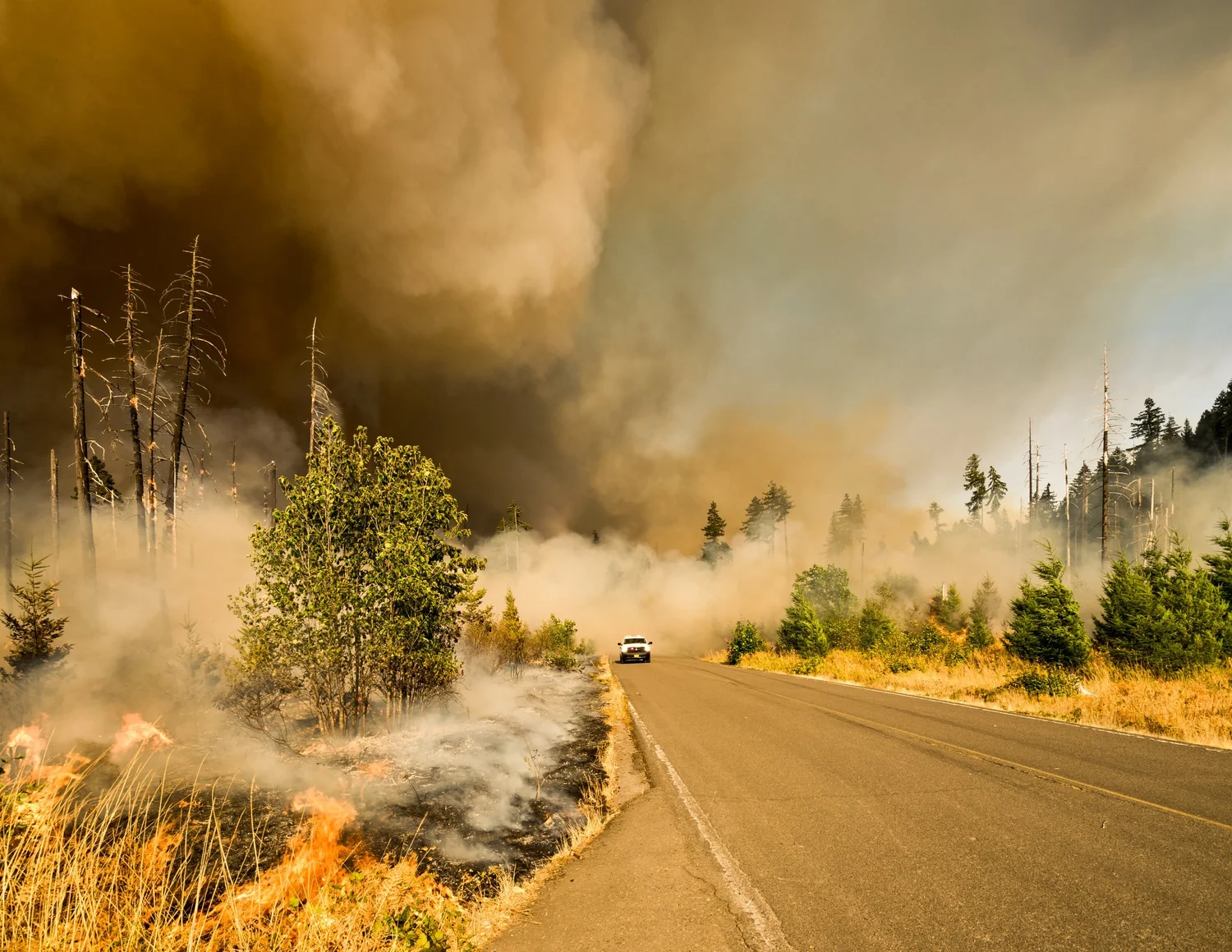
As wildfire risk rises, outdoor brands have a responsibility to consider the role their communities play. The National Park Service attributes nearly 85 percent of US wildland fires to human causes. What can communication do to encourage more care outside?
As outdoor enthusiasts who market outdoor brands, we’re constantly inspiring recreationists to go use our clients’ gear in earth’s beautiful outdoor settings. But promoting visitation to these places, by its very nature, increases forest fire risk (see wicked smart statistical reference above). That puts us in a bit of a pickle—between a rock and a hot place, you might say.
With forest fire season getting worse in recent years, we’ve been asking ourselves, “How do we do right by our clients while also doing right by Mother Nature?” And we’ve landed on some effective and actionable answers. We’ve encouraged our clients to be proactive stewards and in some cases to call their social media fans to arms to help prevent wildfires.
How do we navigate this complicated landscape? What does it mean to be a responsible outdoor brand in an era of heightened wildfire risk? Who's doing it well? And how can you make sure your brand is fireproof? We've curated our practical insights and experience to help guide you through the smoke.
If you’re a business leader, marketer, brand manager, or influencer who operates in the outdoor recreation industry, consider adopting these approaches for responsibly marketing your brand amidst increasing wildfire risk.
Why You Should Be Transparent
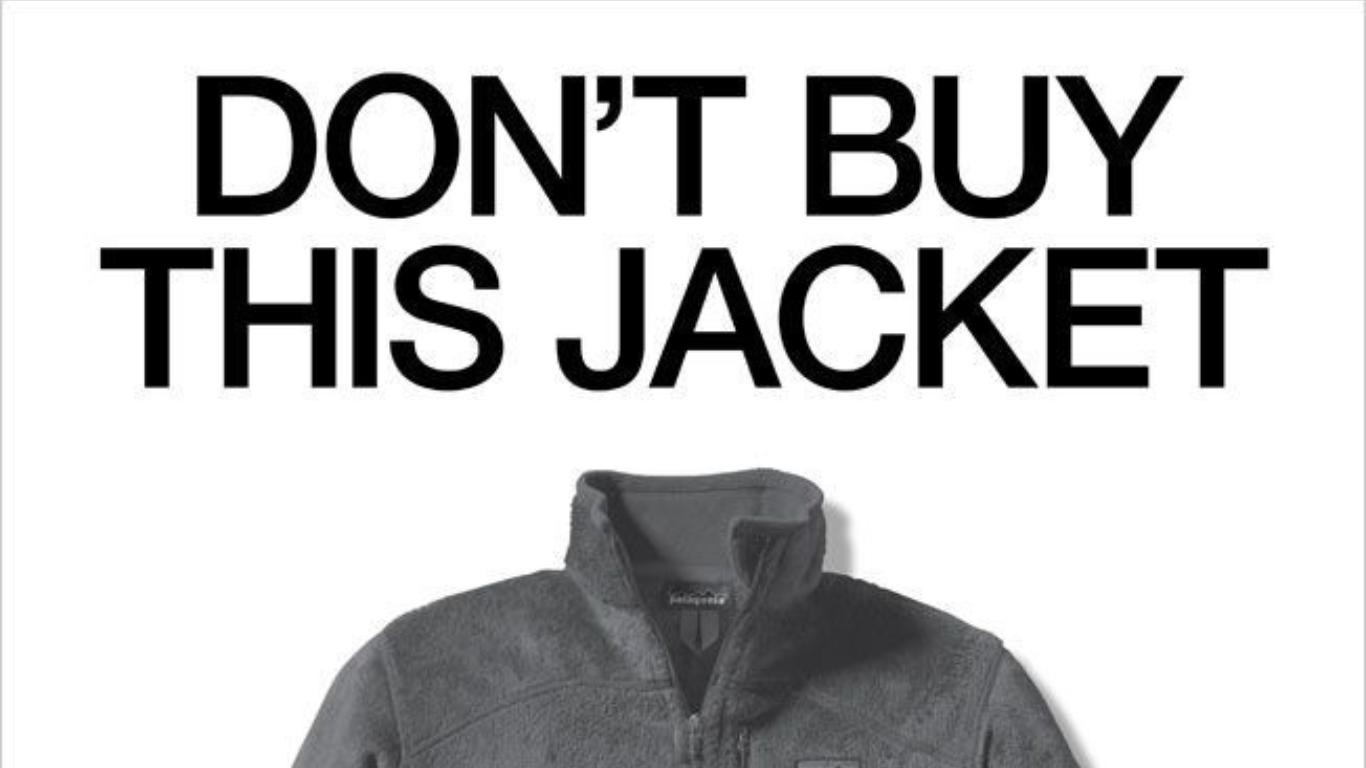
Photo by Tim Nudd on Adweek
In tough situations, we value those with a voice, and those who keep the conversation going, no matter how uncomfortable it may be. How do you have a genuine conversation with your online community? A good example is this now iconic Patagonia ad in The New York Times telling people, "Don't Buy This Jacket.”
"Everything we make takes something from the planet we can't give back. Each piece of Patagonia clothing, whether or not it's organic or uses recycled materials, emits several times its weight in greenhouse gasses, generates at least another half garment's worth of scrap, and draws down copious amounts of freshwater now growing scarce everywhere on the planet," they wrote on their blog. "We're in business to make and sell products. Everyone's paycheck relies on that." But, they stated, "It's not hypocrisy for us to address the need to reduce consumption."
Be transparent with your community. Be honest. Give voice to the elephants in the room and the hard conversations. Relative to forest fires, this means simply discussing it honestly. Transparency is a hallmark of leadership, and your customers will respect you for it.
Why You Should Find a Unique Approach to the Issue
Screenshot from onX Offroad’s email
If your goal is merely to make another sale, remember this: consumers aren't dumb. They’ll catch on if all you're trying to do is make a buck. Remember when Pepsi® co-opted protest movements for commercial gain with supermodel Kendall Jenner on the front line? It gives us the ick just thinking about it.
But, though it’s cliched, doing good isn’t anathema to making money.
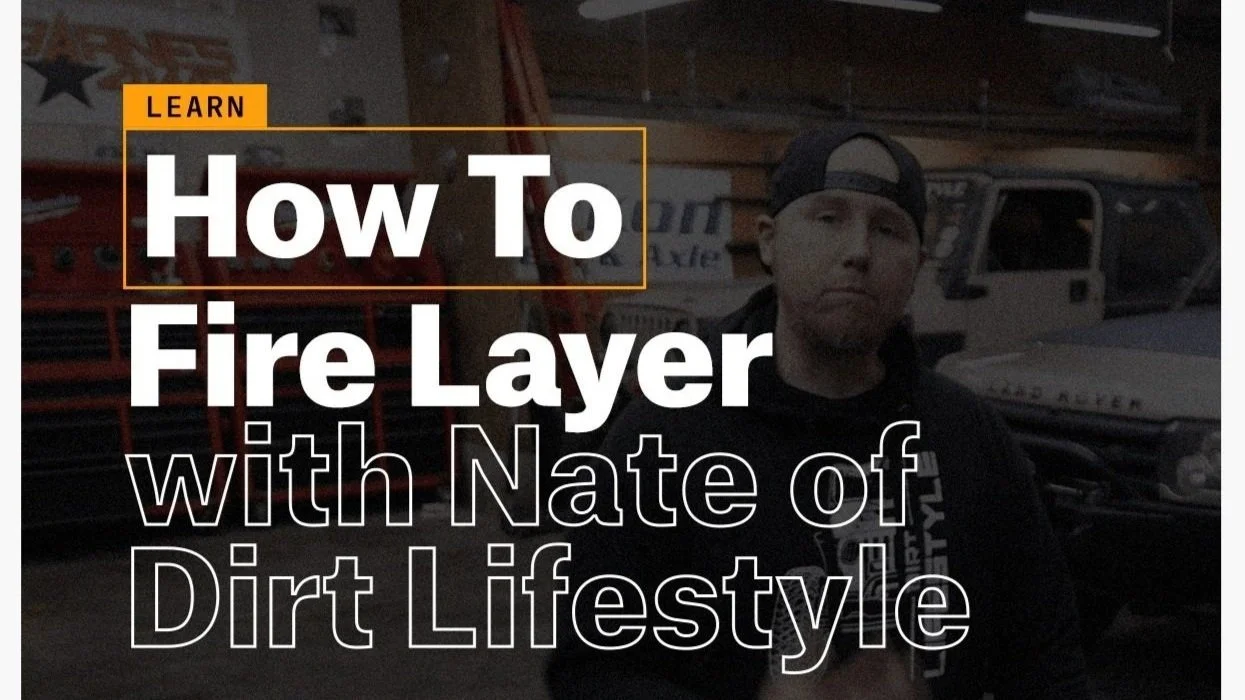
Off-road GPS app onX Offroad recently sent an email directing people to their youtube how-to, "Active Fire Layer with Nate Pickel from Dirt Lifestyle." This is an excellent example of constructively addressing the issue while staying true to its mission and supporting the bottom line. They already make maps for off-roaders and hunters—they've just added the ability to help navigate around dangerous wildfire areas. The added product feature makes their offering more compelling, the ambassador-lead educational video drives awareness among consumers, and the subject matter helps keep people safe in forest fire country.
If you can bake your cause into your product in a unique way as onX did here, you’re providing real value to customers—value that they’ll pay for and evangelize, without you beating them over the head with Buy Now buttons.
What’s your brand’s version of a more wildfire-aware product?
Why You Should Imagine Yourself Here, Responsibly
Unattended fire by petesphotography/Getty Images
All social media platforms rely heavily on imagery to sell products. Marketing firm MDG Advertising discovered that "content paired with an image attracted 94% more views on average than content without visuals." A picture might be worth a thousand words. Today, it's also worth a thousand likes on Instagram.
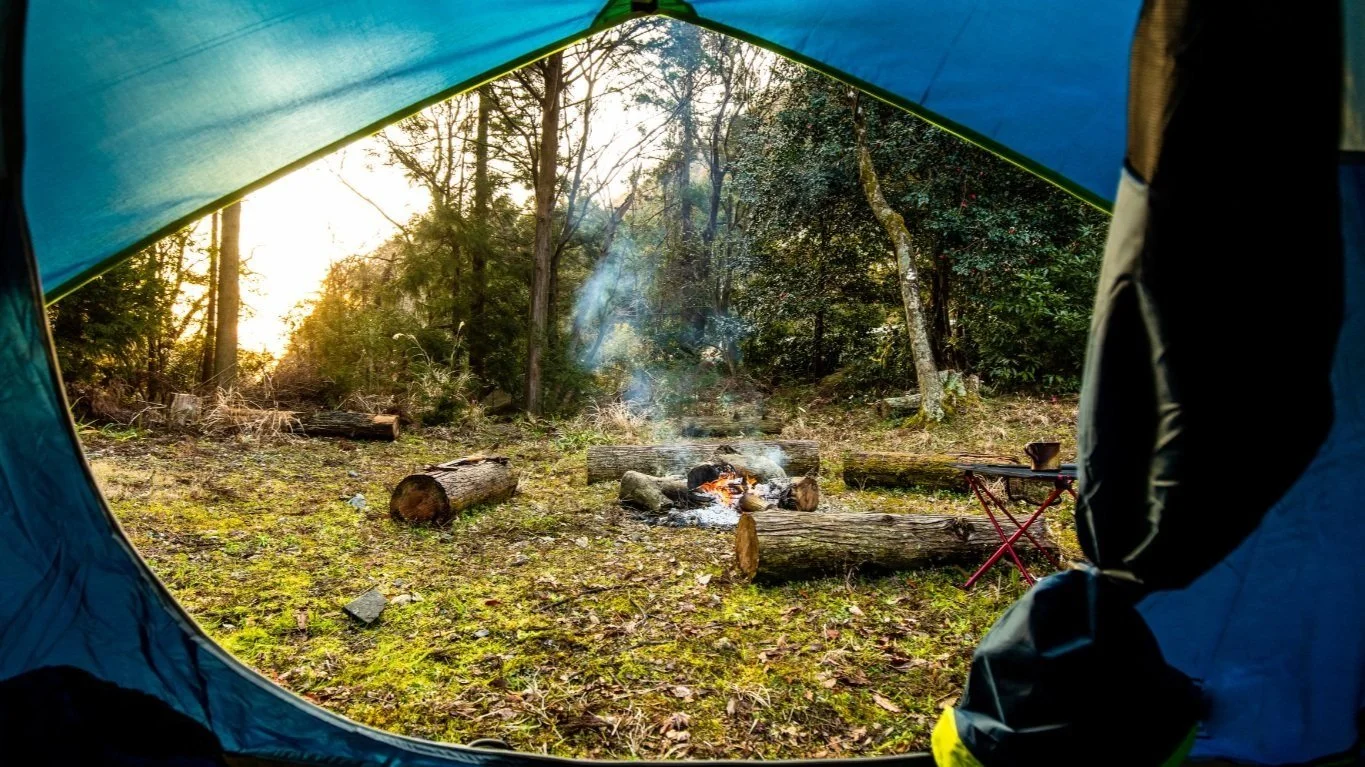
Within this picture-rich paradigm, shooting and sharing content responsibly is crucial. Unfortunately, social media is littered with examples of inappropriate fire safety practices, many (all?) of which can be avoided.
While big brands have legal teams cautioning them to avoid x, y, and z, smaller brands doing more run-and-gun photo/video productions often don’t, and sometimes inadvertently photograph hazardous fire safety practices. But by adopting a precautionary approach like the big brands (sans the hefty attorney’s fees) small brands can ensure they’re not accidentally looking dumb on camera.
How?
Know the rules (this might require some basic research of wildfire prevention principles and perhaps LNT principles, as well as any product-specific considerations if your products are flammable or involve the use of fire, like camp stoves). Then, imagine yourself there, responsibly.
Remember this rulebook and visualization practice when you’re preparing for a photo shoot, when you’re out on production, when you’re wading through post-production, and when you’re sourcing UGC or stock imagery. Make notes in your pre-production documents. This will mitigate any accidental fire safety malpractice caught on camera.
Why You Should Reconsider Your Stance On Geotagging
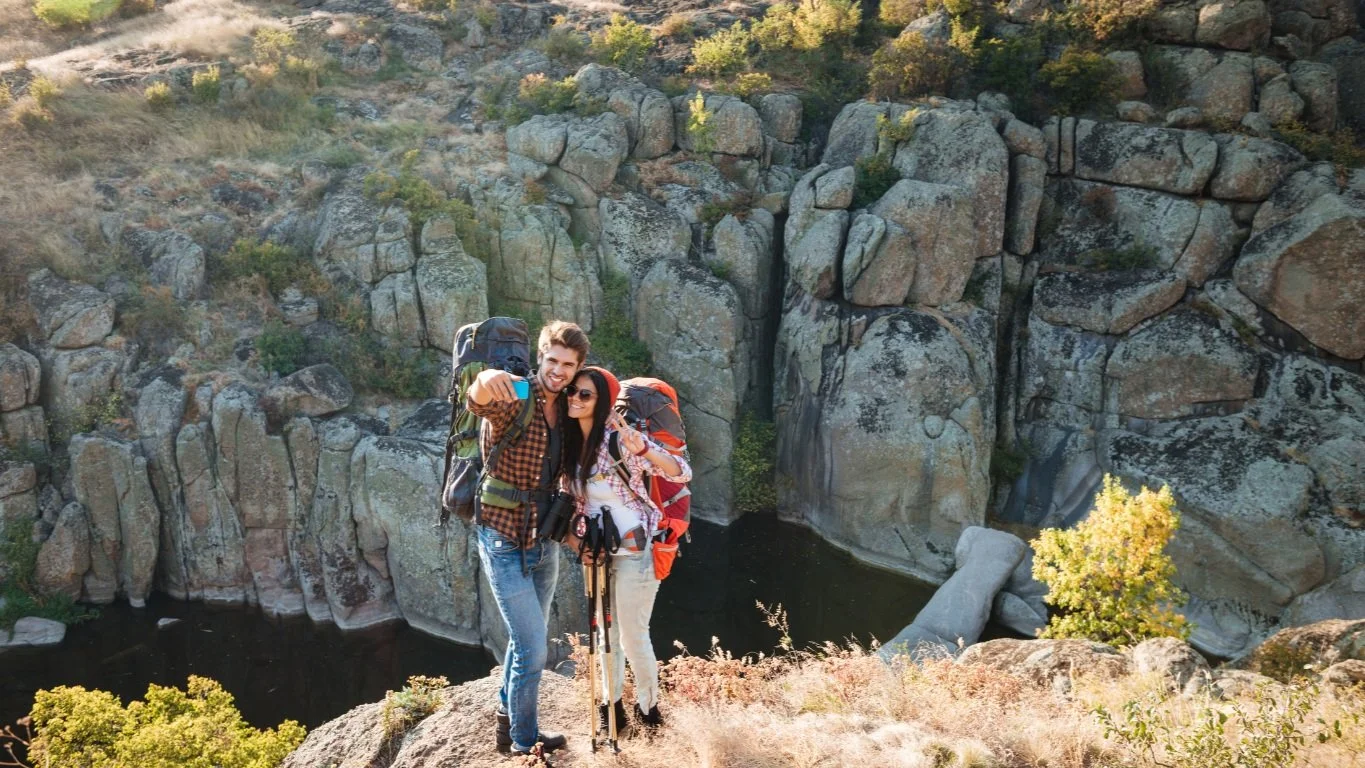
Photo: Dean Drobot
As previously stated, 85 percent of wildfires are caused by humans—so maybe you feel that by not geotagging, you're taking a step in the right direction, keeping people from flocking to certain precious outdoor locales. Geotagging on its own isn’t good or bad, per se. Rather it’s the intention behind it that matters. Here’s an excerpt of a blog titled: "5 Reasons Why You Should Keep Geotagging." by Danielle Williams published on Melanin Basecamp.
"Instead of emphasizing education or the transformative quality of spending time outdoors—which has the power to make conservationists out of casual hikers—many writers and people online resort to thinly veiled or outright racist remarks. Should you feel compelled to geotag every single outdoor pic? Of course not. Just don't use racist or classist reasons to justify your opposition to geotagging . . . like refusing to geotag because urban hikers "have to earn it," or "they'll find it if they're serious enough . . ."
While this example isn’t specific to forest fires, it contains two valuable insights:
- Have an official brand stance on geotagging and a rationale for that stance (hopefully it’s not “to exclude noobs from overrunning the outdoors”). Multiple brands we work with have adopted the approach of only geotagging regions or states, never specific campsites or viewpoints. This allows you to celebrate certain areas without dropping a pin. Even if you do this, though, you need to…
- Consider each post in the context of current forest fire conditions. You might have done a photoshoot in Alaska three months ago that you’re sharing photos from in today’s post, but if that part of Alaska is shrouded in smoke from nearby fires, don’t geotag the specific location, and consider not posting that content for the time being. Or, you could use the post as a chance to be topical and address the current forest fire situation in the place where you did your photoshoot.
Why You Should Educate Your Audience
© 2022 Recreational Equipment, Inc
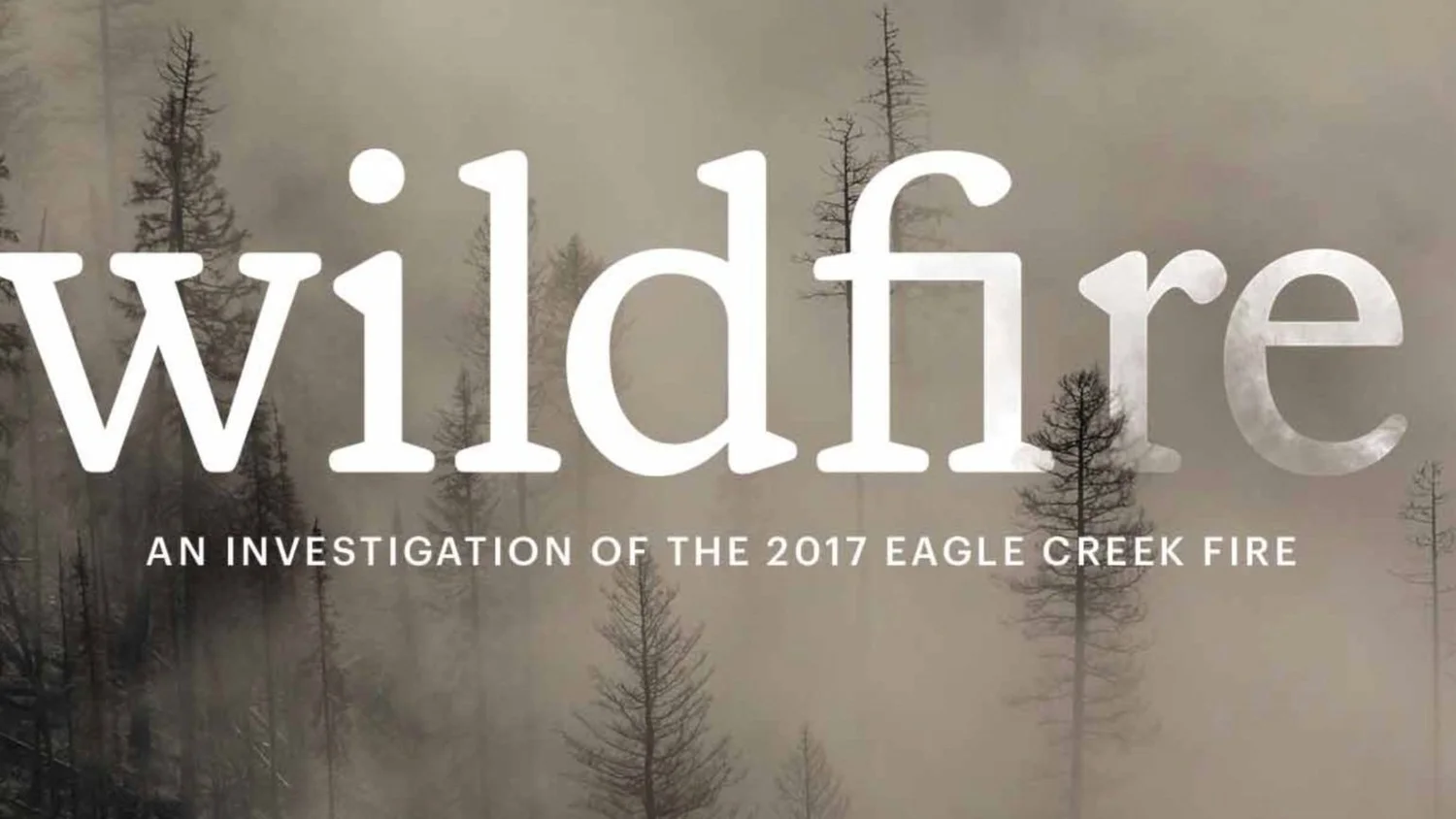
REI's podcast "wildfire" is an excellent example of a brand using its financial and creative resources to educate its community on the destruction of wildfires. Yes, they have a budget that exceeds most, but it shows that education is a powerful tool. The podcast covers the "devastating and controversial" 2017 Eagle Creek Wildfire in Oregon.
For those unaware, in September 2017, a 15-year-old boy chucked a firecracker into Eagle Creek Canyon, lighting a flame that torched nearly 49,000 acres. In order to take a closer look at the devastating environmental and economic damage that this tragedy caused, podcast hosts Graham Zimmerman and Jim Aikman examined the complexities of the Eagle Creek fire.
Educating your audience reinforces your role as a thought leader on the topic at hand. If outdoor spaces are core to your brand, sharing educational content relative to forest fires makes sense. If forest fire safety is more tangential to your brand narrative, curate some of the best educational content from other brands and publications (like the aforementioned REI Wildfire podcast) and relay that content to your fans.
Why You Should Give Actionable Resources
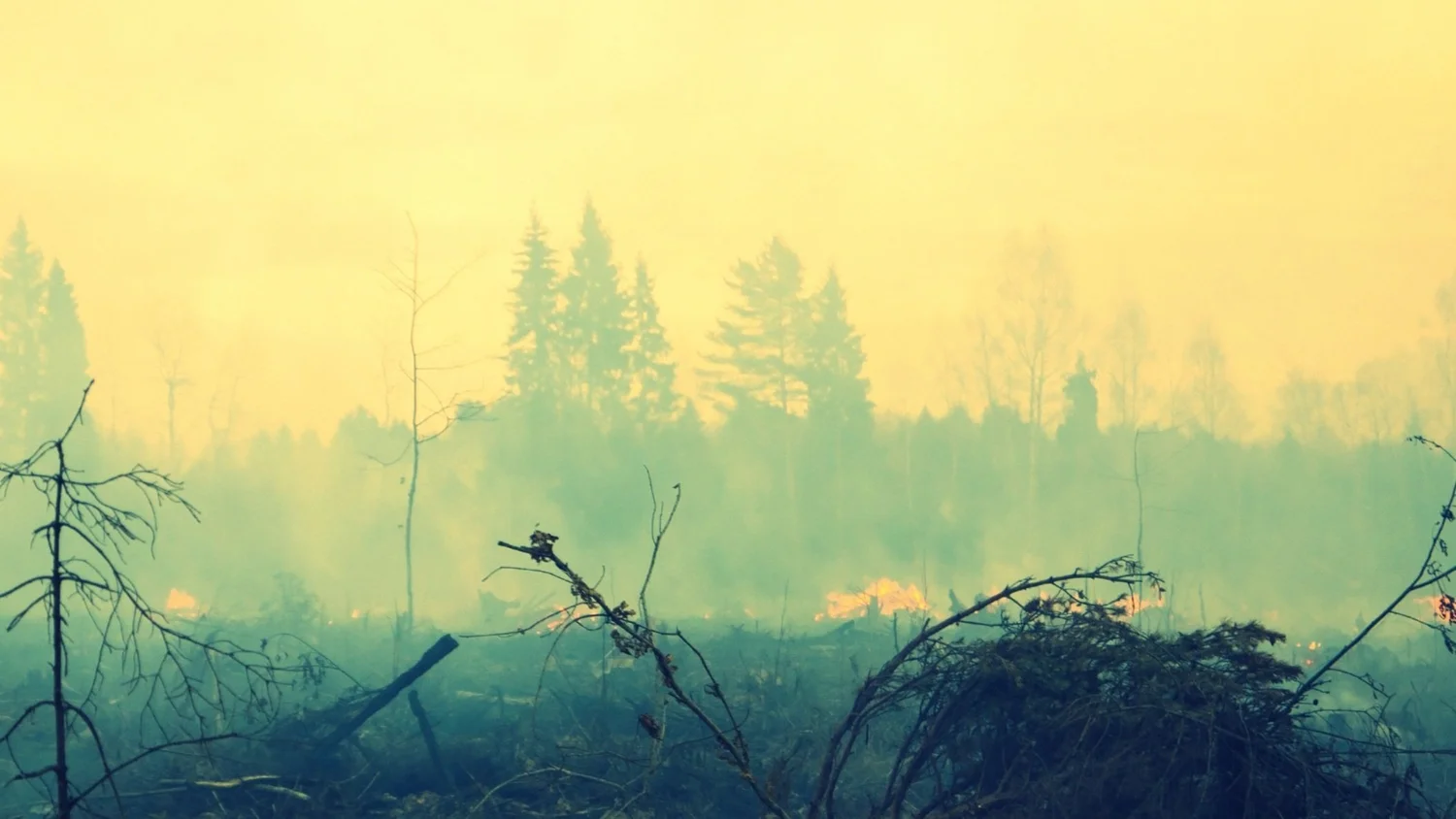
Whether linking to volunteer opportunities or providing a reason/location to donate, there are many ways to provide your followers with actionable steps. We like this example from one of our current clients, Therm-a-Rest: An educational blog titled "Wildfire Prevention: Backpacking During Fire Season", which provides the reader with the resources they need to stay safe and responsible while camping and backpacking during wildfire season.
Fans can read something like this and then put it into action. If you can produce content that’s similarly actionable, fans will bookmark it, save it, and share it with their friends.
Why You Should Support Those On the Front Lines
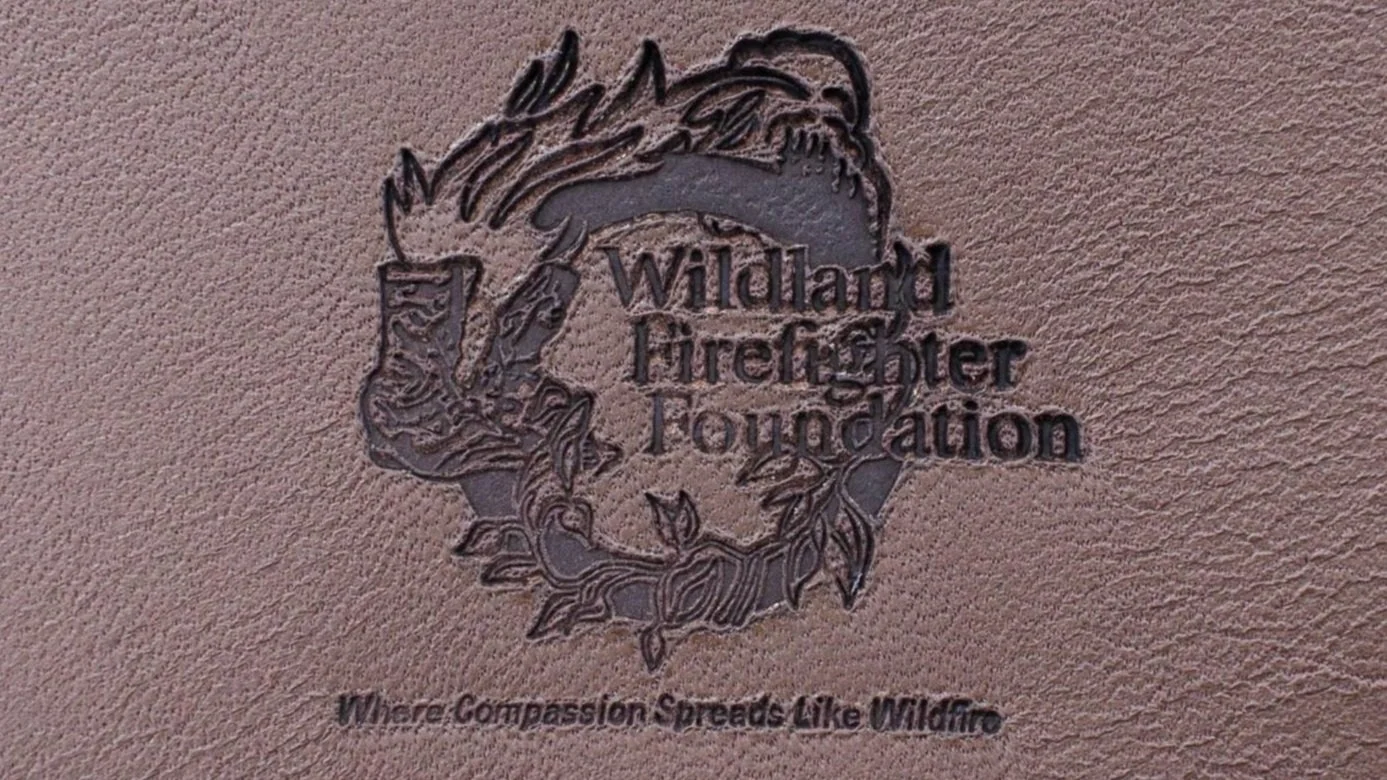
Photo courtesy of JK Boots
Do you have the money to support firefighters on the front lines? Great! Low on money, but have a customer base you can rally? Also great. While many companies say their "thoughts are with the people being affected by these devastating fires," truly thoughtful brands are going beyond simple thoughts and prayers, finding actual firefighting organizations and contributing, either with money, time, product, or some combination thereof. We’ve talked about “walking the walk” (see action item #1) and this is a specific example of doing that.
Even symbology can take on added meaning when it goes beyond just words. The small, family-run JK Boots gifts each donor a WFF logo stamped onto their boots in recognition of every wildland firefighter (no kidding!). It's simple but meaningful. They are an outdoor brand that makes money off selling boots made for people who go outdoors and take action to support the cause by joining forces with the Wildland Firefighter Foundation "to give back to those who have given everything."
Why Does Any of This Matter?
Nowadays, consumers are holding companies accountable for how they use (or don’t use) their platforms to address environmental issues. (As they should.) This is 10x’d for outdoor brands who rely on the great outdoors for profit.
Your brand has a platform, and that comes with responsibility. But being responsible doesn’t mean torpedoing the bottom line. Integrating environmental causes, like wildfire prevention, into your brand narrative is a financial opportunity. Done well, it’s another reason consumers subscribe to your shared belief systems and ultimately evangelize your brand—the holy grail of customer relationships.
So do Smokey a solid, start a conversation, get people talking to each other, and, just maybe, change people's minds. What you say might even prevent a forest fire.
We hope you were able to take something away from this post, and if you’re interested in chatting with the crew here at Puget Sound Creative, don't hesitate to reach out.
*2022. Wildfire Causes and Evaluations. nps.gov. Available at: https://www.nps.gov/articles/wildfire-causes-and-evaluation